


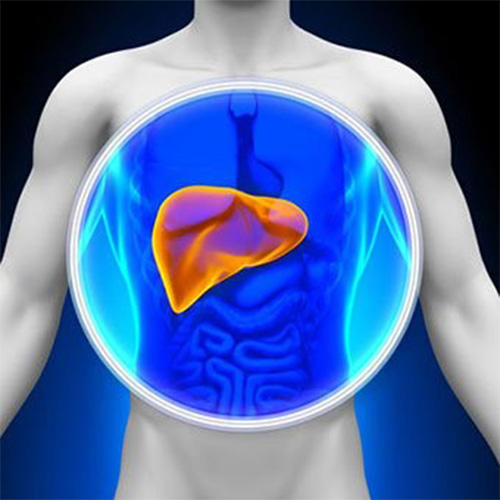

Liver function tests are blood tests used to help diagnose and monitor liver disease or damage. The tests measure the levels of certain enzymes and proteins in your blood.
Some of these tests measure how well the liver is performing its normal functions of producing protein and clearing bilirubin, a blood waste product. Other liver function tests measure enzymes that liver cells release in response to damage or disease.
Liver function tests can be used to:
Screen for liver infections, such as hepatitis
Monitor the progression of a disease, such as viral or alcoholic hepatitis, and determine how well a treatment is working
Measure the severity of a disease, particularly scarring of the liver (cirrhosis)
Monitor possible side effects of medications
Total test included : 32 parameters
Complete blood count & ESR (23 parameters)
A complete blood count, or CBC, is a blood test that measures many different parts and features of your blood, including:
Red blood cells, which carry oxygen from your lungs to the rest of your body.
White blood cells, which fight infections and other diseases. There are five major types of white blood cells. A CBC test measures the total number of white cells in your blood. A different test called a CBC with differential measures the number of each type of these white blood cells.
Platelets, which stop bleeding by helping your blood to clot.
Hemoglobin, a protein in red blood cells that carries oxygen from your lungs to the rest of your body.
Hematocrit, a measurement of how much of your blood is made up of red blood cells.
Mean corpuscular volume (MCV), a measure of the average size of your red blood cells.
Alanine transaminase (ALT).
ALT is an enzyme found in the liver that helps convert proteins into energy for the liver cells. When the liver is damaged, ALT is released into the bloodstream and levels increase.
Aspartate transaminase (AST).
AST is an enzyme that helps metabolize amino acids. Like ALT, AST is normally present in blood at low levels. An increase in AST levels may indicate liver damage, disease or muscle damage.
Alkaline phosphatase (ALP).
ALP is an enzyme found in the liver and bone and is important for breaking down proteins. Higher-than-normal levels of ALP may indicate liver damage or disease, such as a blocked bile duct, or certain bone diseases.
Albumin and total protein. (3 tests)
Albumin is one of several proteins made in the liver. Your body needs these proteins to fight infections and to perform other functions. Lower-than-normal levels of albumin and total protein may indicate liver damage or disease.
Bilirubin. (3 tests)
Bilirubin is a substance produced during the normal breakdown of red blood cells. Bilirubin passes through the liver and is excreted in stool. Elevated levels of bilirubin (jaundice) might indicate liver damage or disease or certain types of anemia.



Reviews
There are no reviews yet.